
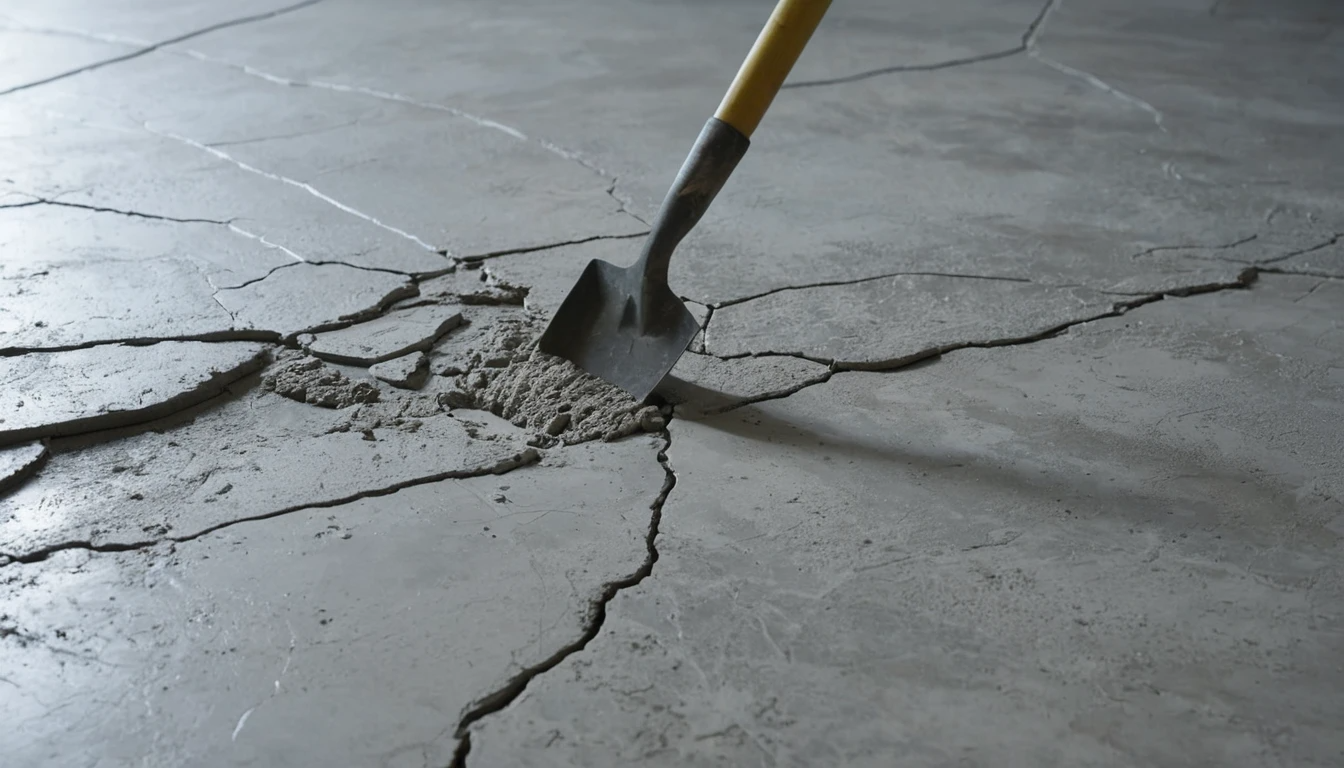
Patching Concrete Floor: Easy Proven Guide For Perfect Results
Patching concrete floor made simple. Learn easy steps, tools, and tips to fix cracks and holes for a smooth, durable surface.
Patching concrete floor is the process of repairing cracks, holes, and uneven surfaces using special fillers and patching compounds. It restores strength, improves appearance, and prevents further damage. With the right tools and steps, even beginners can achieve a smooth, long-lasting concrete finish at home.
Patching Concrete Floor: The Complete DIY Guide 🛠️
Ever looked at your cracked concrete floor and thought, “Can I really fix this myself?”
Yes, you absolutely can. Patching a concrete floor is easier than most people think. You don’t need fancy skills or expensive tools. With a little patience and the right method, you can make your floor look almost new again.
Let’s break everything down step by step so you can do it confidently.
What Is Patching Concrete Floor? 🤔
Patching a concrete floor means filling damaged areas like cracks, holes, or chips. These problems happen over time due to wear, moisture, or heavy loads. Ignoring them can make things worse.
When you patch the surface, you restore both strength and appearance. It also prevents future damage. Think of it like fixing a small tear before it becomes a big hole.
Most patching jobs use special materials called concrete patching compounds. These are designed to bond strongly with old concrete. They dry fast and last long.
Why Concrete Floors Get Damaged ⚠️
Concrete may seem strong, but it’s not indestructible. Several factors can cause cracks and surface damage over time.
Temperature changes are a big reason. Concrete expands and contracts with heat and cold. This movement creates stress and leads to cracks.
Other causes include:
- Heavy furniture or vehicles
- Water seepage and moisture
- Poor installation
- Soil movement underneath
If you fix these issues early, you save time and money later.
Types Of Concrete Floor Damage 🧱
Not all damage is the same. Understanding the type helps you choose the right repair method.
Some cracks are small and cosmetic. Others are deep and structural. Holes and surface chips are also common.
Here’s a simple breakdown:
| Damage Type | Description | Repair Difficulty |
| Hairline Cracks | Thin surface cracks | Easy |
| Wide Cracks | Deep or spreading cracks | Medium |
| Holes | Missing chunks of concrete | Medium |
| Surface Spalling | Flaking or peeling | Easy |
Knowing this helps you avoid using the wrong materials.
Tools And Materials You Need 🧰
Before starting, gather everything you need. This saves time and keeps the process smooth.
Basic tools include:
- Wire brush
- Chisel and hammer
- Putty knife or trowel
- Vacuum or broom
- Mixing bucket
Materials you’ll need:
- Concrete patch compound
- Bonding adhesive
- Water
- Safety gloves
Having the right tools makes the job much easier and faster.
Preparing The Concrete Surface Properly 🧹
Preparation is the most important step. If you skip this, your patch won’t last.
Start by cleaning the area. Remove dirt, dust, and loose debris. Use a wire brush to scrub the surface well.
Next, widen the crack slightly using a chisel. This helps the patching material stick better. Vacuum all the dust afterward.
A clean and rough surface creates a strong bond. Don’t rush this step.
Choosing The Right Patching Material 🧪
Not all patching products are the same. Picking the right one makes a big difference.
For small cracks, use a liquid filler or crack sealant. For larger holes, go for a thick patching compound.
Here’s a quick guide:
| Repair Type | Best Material | Dry Time |
| Small Cracks | Crack filler | 1–2 hours |
| Medium Cracks | Latex patch | 2–4 hours |
| Large Holes | Cement-based patch | 4–6 hours |
Always read the instructions before using any product.
Step-By-Step Guide To Patching Concrete Floor 🪜
Let’s get into the actual process. Follow these steps carefully.
- Clean the damaged area thoroughly
- Remove loose concrete pieces
- Apply bonding adhesive
- Mix the patching compound
- Fill the crack or hole
- Smooth the surface with a trowel
- Let it dry completely
Take your time while smoothing. This step affects how your floor looks.
How To Fix Small Cracks Easily ✨
Small cracks are the easiest to fix. They don’t require heavy tools or materials.
Start by cleaning the crack. Then apply a liquid crack filler directly into it. Use a putty knife to smooth it out.
Let it dry fully before walking on it. Most fillers dry quickly, making this a fast repair job.
How To Repair Large Holes And Gaps 🕳️
Large holes need more effort. But don’t worry, it’s still manageable.
First, remove all loose debris from the hole. Then apply a bonding agent inside. This helps the patch stick better.
Fill the hole with patching compound. Press it firmly to remove air gaps. Smooth the top and let it cure properly.
Tips For A Smooth And Even Finish 🎯
A smooth finish makes your repair look professional. It also prevents future wear.
Here are some useful tips:
- Use a damp trowel for smoothing
- Work in small sections
- Avoid overfilling the area
- Feather the edges gently
A little attention here can make a huge difference in results.
Drying And Curing Time Explained ⏳
Drying time depends on the material used. Some patches dry in hours, while others take a day.
Curing is different from drying. It means the material gains full strength over time.
Avoid heavy use during curing. Keep the area protected for best results.
Common Mistakes To Avoid 🚫
Many people rush the process and end up with poor results. Avoid these common mistakes:
- Skipping surface cleaning
- Using the wrong patching material
- Not allowing proper drying time
- Applying too much water
Simple mistakes can ruin your hard work.
When To Call A Professional 👷
Some damage is too severe for DIY repair. In such cases, calling a professional is the best choice.
If you see deep structural cracks or uneven flooring, don’t ignore it. These issues need expert handling.
Professional repair ensures safety and long-term durability.
Cost Of Patching Concrete Floor 💰
The cost depends on the size of the damage and materials used. DIY repairs are usually affordable.
Here’s a general idea:
| Repair Size | DIY Cost | Professional Cost |
| Small Crack | Low | Medium |
| Medium Damage | Moderate | High |
| Large Repair | Higher | Very High |
Doing it yourself can save a lot of money.
How To Maintain Your Concrete Floor 🧼
Maintenance keeps your floor in good condition for years.
Simple habits can prevent future damage:
- Clean regularly
- Seal the surface
- Avoid heavy impacts
- Fix small cracks early
A little care goes a long way.
Benefits Of Patching Concrete Floor 🌟
Why should you bother fixing those cracks?
Because patching offers many benefits:
- Improves appearance
- Prevents further damage
- Increases durability
- Saves repair costs
It’s a smart and practical solution for any homeowner.
Best Time To Patch Concrete Floors 🌤️
Timing matters more than you think. Weather plays a big role in concrete repair.
Avoid patching during extreme heat or cold. Moderate temperatures are best for proper curing.
Indoor repairs are easier since conditions are controlled. Outdoor repairs need careful planning.
Conclusion 🏁
Patching a concrete floor is not as hard as it seems. With the right tools, materials, and steps, you can fix cracks and holes easily. The key is proper preparation and patience.
By taking action early, you prevent bigger problems later. Whether it’s a small crack or a larger hole, fixing it yourself saves money and keeps your floor strong and smooth for years.
FAQs ❓
How To Patch Concrete Floor Cracks Easily?
Clean the crack and remove loose debris first. Apply a suitable crack filler evenly. Let it dry fully before using the floor again.
What Is The Best Concrete Patch Material?
It depends on the damage size. Use liquid fillers for small cracks. For larger holes, cement-based patch compounds work best.
How Long Does Concrete Patch Take To Dry?
Most patches dry within a few hours. Full curing may take up to 24 hours. Always follow the product instructions.
Can I Patch Concrete Floor Myself At Home?
Yes, you can do it easily with basic tools. Follow proper steps and use the right materials. Even beginners can get great results.
How To Fix Large Holes In Concrete Floor?
Clean the hole and apply bonding adhesive. Fill it with patch compound and smooth the surface. Allow enough time for curing before use.
Related Posts

Kitchen Social Westlake Menu Guide – Must-Try Favorites