
Wood Burning Fire Pit – Ultimate Guide For Cozy Outdoor Living
Wood burning fire pit ideas, benefits, safety tips, and buying advice to create a warm, inviting outdoor space that feels timeless and natural.
A wood burning fire pit is a classic outdoor heating option that uses natural firewood to create warmth, ambiance, and connection. It’s ideal for backyards, patios, and gatherings where real flames, crackling sounds, and smoky aromas enhance the outdoor experience.
Have you ever noticed how people naturally gather around real fire? 🔥
A wood burning fire pit creates warmth, comfort, and memories in ways nothing else can. It feels primal, relaxing, and social all at once.
A wood burning fire pit is designed to safely contain burning firewood outdoors. It provides heat, light, and atmosphere for patios, yards, and outdoor spaces. Many homeowners choose it for its natural flame, affordability, and rustic charm.
Wood Burning Fire Pit Explained Simply 🔥
A wood burning fire pit uses split logs or firewood as fuel. It creates real flames and glowing embers that radiate heat outward. The experience feels natural and grounding.
Unlike gas options, wood pits do not need hookups. You light them manually and control the fire by adding wood. This gives users a hands-on, traditional experience many people love.
The crackling sound and smoky aroma add emotional value. It turns ordinary evenings into cozy moments. That sensory connection is hard to replace.
Why Homeowners Choose Wood Burning Fire Pits 🌿
Wood fire pits feel authentic and timeless. People enjoy the simplicity and raw beauty of real fire. It’s not just about heat. It’s about the experience.
They also work well in many outdoor settings. Backyards, gardens, and campsites all benefit from them. You don’t need gas lines or electricity.
Another big reason is affordability. Wood fire pits often cost less to install and maintain. Firewood is widely available and easy to store.
Wood Burning Fire Pit Vs Gas Fire Pit ⚖️
Choosing between wood and gas depends on priorities. Wood pits focus on atmosphere. Gas pits focus on convenience.
Here’s a simple comparison to help you decide:
| Feature | Wood Burning Fire Pit | Gas Fire Pit |
| Flame Style | Real, natural flames | Clean, controlled flames |
| Setup | Simple | Requires gas line |
| Aroma & Sound | Smoky, crackling | Odorless, silent |
| Maintenance | Ash cleanup | Minimal cleanup |
Many homeowners still choose wood for emotional appeal. It feels more connected and less manufactured.
Best Places To Use A Wood Burning Fire Pit 🏡
Wood burning fire pits work best in open outdoor areas. Backyards with space allow heat and smoke to disperse safely. Patios made of stone or concrete are ideal surfaces.
They also shine in rural and suburban homes. Campgrounds and lake houses love them too. Fire pits become the center of outdoor living.
Always check local rules before placement. Some areas have fire restrictions. Planning ahead avoids problems later.
Popular Types Of Wood Burning Fire Pits 🔥
Wood burning fire pits come in many styles. Each fits a different lifestyle and space.
Common options include:
- Steel fire pits for modern looks
- Cast iron pits for durability
- Stone fire pits for permanent installations
- Portable fire pits for flexibility
Your choice depends on budget and design taste. Permanent pits feel built-in and upscale. Portable ones offer freedom and convenience.
Choosing The Right Fire Pit Size 📏
Size matters when selecting a fire pit. Too small feels underwhelming. Too large can overwhelm your space.
Think about seating distance first. A pit should be at least six feet away from chairs. This allows warmth without discomfort.
Also consider how many people will gather. Larger groups need wider pits. Small families can go compact and cozy.
Best Firewood For Wood Burning Fire Pits 🌳
Not all firewood burns the same. Choosing the right wood improves safety and performance.
Here’s a helpful breakdown:
| Firewood Type | Burn Quality | Smoke Level |
| Oak | Long, hot burn | Low |
| Hickory | Very hot | Medium |
| Maple | Steady heat | Low |
| Pine | Fast burn | High |
Hardwoods burn longer and cleaner. Softwoods spark more and smoke heavily. Always use dry, seasoned wood.
How To Light A Wood Burning Fire Pit Safely 🔥
Starting a fire should be simple and safe. Begin with dry tinder and kindling. Stack logs loosely for airflow.
Avoid lighter fluid or gasoline. These cause dangerous flare-ups. Natural fire starters work better and safer.
Once lit, let flames establish before adding large logs. Slow building creates steady heat. Rushing causes excess smoke.
Wood Burning Fire Pit Safety Tips 🚨
Fire pits require respect and awareness. Simple habits prevent accidents and damage.
Important safety reminders:
- Keep water or sand nearby
- Never leave fire unattended
- Avoid windy conditions
- Use spark screens when possible
Children and pets should stay supervised. A few smart precautions protect everyone. Safety should never feel optional.
Fire Pit Maintenance And Cleaning 🧹
Ash buildup reduces airflow. Cleaning improves performance and longevity.
Wait until ashes cool completely. Scoop them into a metal container. Dispose properly once cold.
Check for rust or cracks regularly. Covering your pit when not in use helps. Maintenance keeps it looking great year-round.
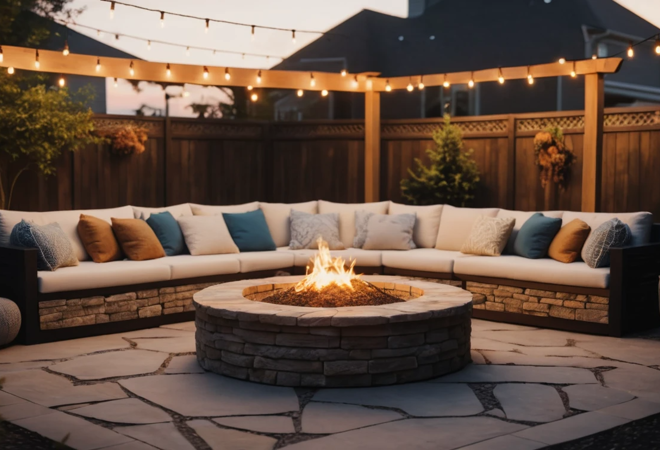
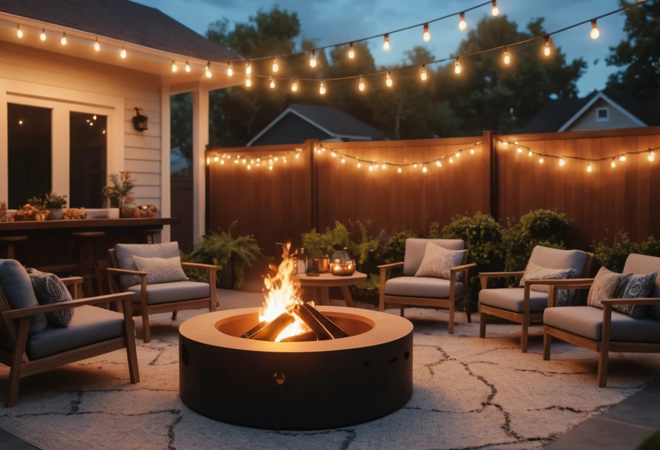
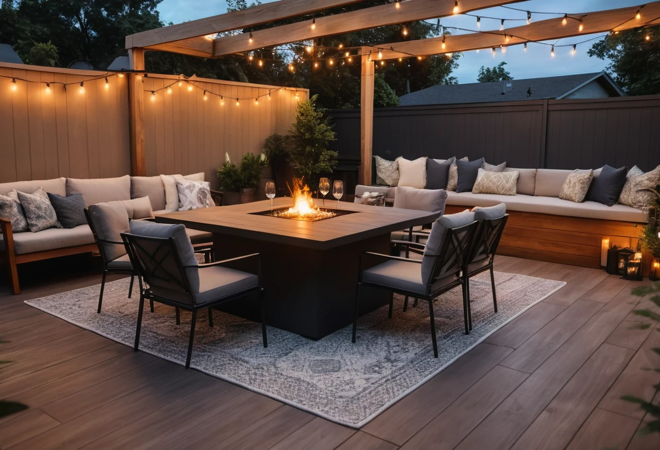
Design Ideas For Wood Burning Fire Pits ✨
Fire pits enhance outdoor aesthetics. They become focal points when styled right.
Creative ideas include:
- Stone seating walls
- Gravel fire pit zones
- Built-in benches
- String lights overhead
Blending function with beauty makes a big impact. A well-designed pit feels intentional, not random.
Using A Wood Burning Fire Pit Year-Round ❄️
Fire pits aren’t just for summer. Fall and winter use is very popular. Cooler weather makes fires more enjoyable.
Cold nights become inviting with a warm flame. Add blankets and warm drinks. The pit extends outdoor seasons.
Even spring evenings benefit. A fire pit turns chill into comfort instantly.
Environmental Considerations To Know 🌎
Wood burning produces smoke and emissions. Responsible use reduces impact.
Use seasoned hardwood only. Avoid trash, treated wood, or wet logs. These release harmful chemicals.
Follow local burn regulations. Clean burning protects air quality. Small steps make a big difference.
Cost Breakdown Of Wood Burning Fire Pits 💰
Costs vary widely based on style and materials.
| Fire Pit Type | Average Cost |
| Portable Steel | $100 – $300 |
| Cast Iron | $200 – $600 |
| Stone Built-In | $1,500 – $5,000 |
Installation and wood storage add cost. Still, wood pits remain budget-friendly compared to gas systems.
Common Mistakes To Avoid ❌
Many issues come from small oversights. Avoid these common mistakes:
- Burning green wood
- Placing pit too close to structures
- Ignoring wind direction
- Skipping spark protection
Learning early saves frustration. Fire pits should relax you, not stress you.
Is A Wood Burning Fire Pit Worth It? 🤔
For many homeowners, the answer is yes. Wood burning fire pits deliver unmatched atmosphere. They feel real and engaging.
They bring people together naturally. Conversations flow easier around fire. That emotional value is priceless.
If you enjoy outdoor living, it’s a strong investment. The warmth goes beyond temperature.
Conclusion 🔥
A wood burning fire pit offers warmth, connection, and timeless charm. It creates real flames, real moments, and real memories. With proper care, safety, and design, it becomes the heart of your outdoor space.
FAQs
What Is The Best Wood For Fire Pits?
Hardwoods like oak and maple burn longer and cleaner. They produce steady heat and less smoke. Avoid softwoods when possible.
Can I Use A Fire Pit On Grass?
It’s not recommended. Heat can damage grass and create fire risk. Use stone, gravel, or concrete bases.
Do Wood Burning Fire Pits Create Smoke?
Yes, but seasoned wood reduces smoke. Proper airflow also helps. Wet wood causes heavy smoke.
How Far Should Seating Be From Fire Pit?
At least six feet is ideal. This provides warmth without discomfort. Safety and comfort improve together.
Are Wood Fire Pits Allowed Everywhere?
Rules vary by location. Some areas restrict open flames. Always check local regulations first.